 Dasia Kato Korakiana, P.C. 49083
 Email Us
 Tel. (+30) 26610 97530
The Allure of Gambling: Understanding the Attraction
The world of casinos is undeniably captivating, drawing millions of individuals who are eager to experience the thrill of chance. This allure, rooted deeply in human psychology, evokes strong emotional responses, often leading players to engage in gambling behavior that can be both fascinating and risky. For those looking to enhance their flexibility before a night of fun, consider checking out stretch classes near me as part of your overall wellness strategy. Understanding the psychological factors that contribute to this attraction is crucial for recognizing why so many people are drawn to the casino environment.
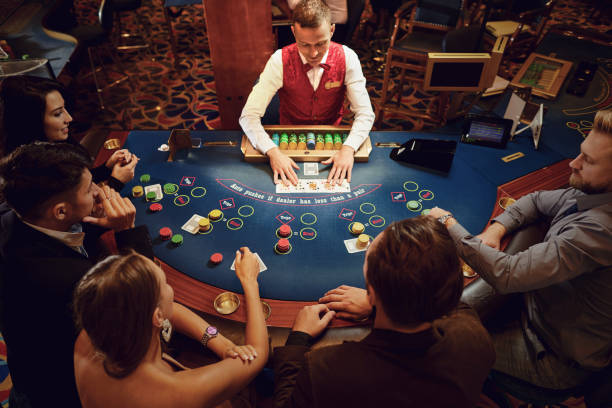
Casinos are designed to create an atmosphere of excitement and anticipation, utilizing sights, sounds, and even scents to enhance the gaming experience. The vibrant lights, the sound of coins clinking, and the aroma of complimentary drinks all contribute to an environment that stimulates the senses. This intentional design plays a significant role in eliciting feelings of joy and elation, which can quickly lead to a desire to keep playing, often regardless of the potential consequences.
The Role of Cognitive Biases in Gambling
Cognitive biases significantly influence how individuals perceive their chances of winning while gambling. One prevalent bias is the “gambler’s fallacy,” where players believe that past outcomes can affect future ones, leading them to make irrational betting decisions. This misconception can create a false sense of control over random events, encouraging continued play even in unfavorable situations.
Another critical bias is the “illusion of control,” where gamblers feel that their actions can directly impact the outcomes of games of chance. This belief can lead players to engage in superstitions or rituals, hoping that they can influence the game’s result. Such cognitive biases not only shape the gambling experience but also contribute to the persistence of gambling behavior, making it difficult for individuals to recognize when they should stop.
The Impact of Emotions on Betting Behavior
Emotions play a pivotal role in gambling outcomes, affecting how players make decisions and react to wins and losses. For many individuals, winning at a casino brings about feelings of euphoria and excitement, reinforcing the behavior that led to the win. Conversely, losses can lead to frustration and a desire to recover lost money, prompting players to chase their losses rather than acting rationally.
This emotional rollercoaster can result in a cycle of gambling behavior where the highs of winning overshadow the risks involved. The unpredictability of gambling outcomes feeds into the emotional highs and lows, creating an addictive dynamic that can be challenging to break. Understanding this interplay between emotions and gambling can help individuals recognize their patterns and make more informed decisions.
The Social Aspect of Gambling and Its Psychological Effects
Gambling is often viewed as a social activity, where individuals gather to share in the excitement of the casino environment. This social aspect can provide a sense of community and belonging, further encouraging participation in gambling activities. The camaraderie that develops among players can enhance the overall experience, making it more enjoyable and, at times, more tempting to engage in riskier behavior.
Moreover, the influence of peers can significantly affect individual gambling decisions. Social pressure may lead individuals to gamble more than they would if they were alone. The desire to fit in or impress others can cloud judgment, leading to increased spending and potentially detrimental outcomes. Understanding the social dynamics at play in casinos can provide valuable insights into how relationships and group behaviors influence gambling habits.

Enhancing Your Gambling Experience: Responsible Gaming Strategies
Understanding the psychology behind gambling is essential for developing responsible gaming habits. Recognizing cognitive biases, managing emotions, and being aware of social influences can empower players to make more informed decisions while gambling. Setting limits on time and spending can help mitigate the risks associated with excessive gambling, allowing for a healthier approach to this form of entertainment.
Moreover, education about the risks and realities of gambling can aid in preventing problematic behavior. Resources available through casinos, online forums, and support groups can provide valuable information and assistance to those who may be struggling. By fostering a deeper understanding of the psychological factors involved in gambling, individuals can enjoy the thrill of the casino while maintaining control over their experiences.